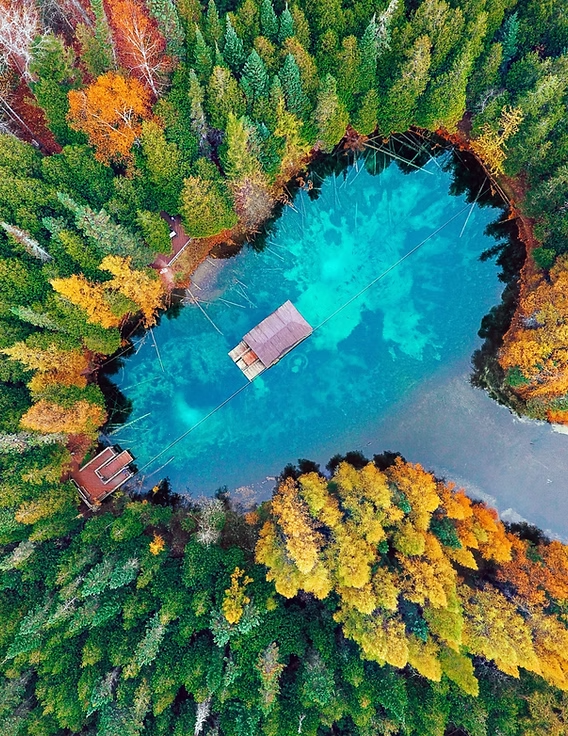
Kitch-iti-kipi in Palms Book State Park near Manistique in Michigan’s Upper Peninsula is one of the most extraordinary natural springs in the United States: a 200-foot-wide, 40-foot-deep pool of crystal-clear water that maintains a constant temperature of 45 degrees Fahrenheit year-round and produces 10,000 gallons of water per minute from its sandy bottom. The water is so transparent that every detail of the spring’s floor, the bubbling sand boils where the water emerges, the ancient logs resting in the deep, and the large brown trout hovering in the current, is visible with astonishing clarity from a self-guided raft that visitors pole across the surface. It is, without question, one of the most visually stunning natural features in Michigan.
The Spring Experience
Visiting Kitch-iti-kipi is a simple but remarkable experience. A wooden observation raft, accommodating about 15 people, is self-operated by visitors using a cable and hand wheel to pull it slowly across the surface of the spring. As the raft moves, the window openings in its floor provide a constantly changing view into the depths below. The combination of the water’s extraordinary clarity and the spring’s considerable depth creates a view that is simultaneously intimate and vertiginous. Looking straight down through 40 feet of water at the spring floor below, watching sand boil up around the freshwater vents, is as close as most people will ever come to the experience of looking through 40 feet of air to the ground below.
Large brown trout, some reaching significant size, are permanent residents of the spring and are fully visible from the raft. They hover in the water column, barely moving, visible in every detail from their spotted sides to the movement of their fins. The fish are completely protected within the state park; fishing in the spring is prohibited. The raft crossing takes about 15 to 20 minutes at a leisurely pace and is a genuinely peaceful and meditative experience that slows visitors down in a welcome way.
Why It Stays Clear
The extraordinary clarity of Kitch-iti-kipi results from the physical character of the spring water itself. The water emerges from a limestone aquifer under considerable pressure, having been filtered through bedrock for thousands of years before reaching the surface. The filtering process removes virtually all particulate matter, and the constant, high-volume flow prevents the accumulation of algae or other organic material that would reduce visibility. The constant temperature of 45 degrees prevents the temperature stratification that causes turbidity in standing bodies of water. The result is water that remains visually perfect year-round, regardless of season or weather conditions at the surface.
The Name and Its Meaning
Kitch-iti-kipi is an Ojibwe word with several proposed translations, most commonly rendered as Big Spring or Mirror of Heaven. The local Ojibwe people regarded the spring as a sacred place, and the Ojibwe name reflects the visual quality that makes it so remarkable, the mirror-like surface that reflects the surrounding forest and sky while simultaneously revealing the extraordinary world below. The name was preserved by writer John Bellaire, who championed the spring’s protection in the early 20th century and was instrumental in establishing it as a state park in 1926.
Palms Book State Park
The spring is the centerpiece of Palms Book State Park, a small park of just 388 acres that was established specifically to protect the spring and provide public access to it. The park has limited facilities beyond the spring itself: a parking area, restrooms, a small picnic area, and the dock from which the raft departs. There is no camping within the park, but camping is available at nearby Indian Lake State Park, about 12 miles to the northwest. The park is open year-round, and the spring is beautiful in every season. In winter, the constant 45-degree temperature prevents the spring from freezing, creating a remarkable sight: an open, steaming pool of water amid the surrounding frozen landscape.
Getting There
Palms Book State Park is located about 12 miles north of Manistique, Michigan, on State Route 149. From the Mackinac Bridge, it’s about a 90-minute drive west. Manistique, on the Lake Michigan shore, is a small Upper Peninsula community with basic services including gas, food, and lodging. The spring is accessible at any hour that the park is open, and the raft operates on a self-service basis, so there is no need to coordinate with staff. A Michigan Recreation Passport is required for vehicle entry to the state park.
Kitch-iti-kipi is one of Michigan’s most genuinely wonderful natural attractions, and it has the advantage of being both extraordinary and easy to experience. The raft crossing is suitable for all ages and requires no physical exertion. The visual impact is immediate and lasting. If you’re traveling through the Upper Peninsula, a detour to the Big Spring is one of the best decisions you can make. Very few natural places in the Midwest deliver so much so simply.