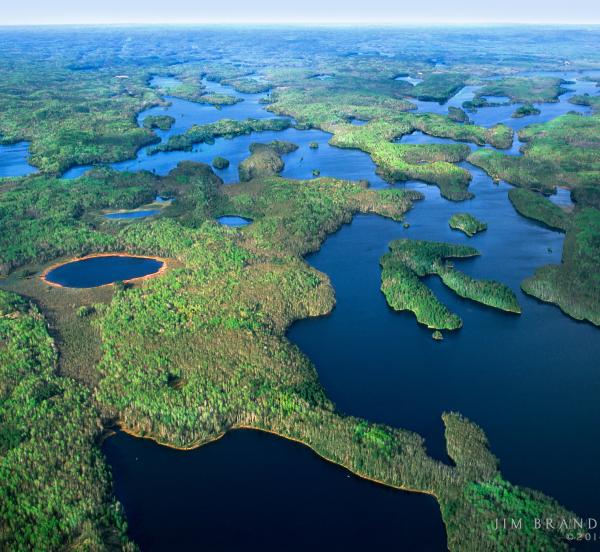
Few places in the United States offer the kind of raw, unspoiled wilderness that you’ll find in the Boundary Waters Canoe Area Wilderness, tucked into the northeastern corner of Minnesota along the Canadian border. Spanning more than one million acres, this extraordinary network of lakes, rivers, and forests is a canoeist’s dream and a haven for anyone craving genuine solitude in nature. Whether you’re an experienced paddler or a first-time backcountry adventurer, the Boundary Waters, often simply called the BWCA, will leave a lasting mark on you.
What Makes the Boundary Waters Special
The BWCA is part of the Superior National Forest and shares a border with Canada’s Quetico Provincial Park, together forming one of the largest protected wilderness areas in North America. What sets it apart from other wild places is its sheer scale and its commitment to preservation. Motorized vehicles are banned on most of the lakes, and the number of visitors entering each entry point is carefully controlled through a permit system. The result is a place where you can paddle for days without seeing another soul, where loons call across glassy water at dawn, and where the night sky blazes with stars undimmed by city light.
The area contains more than 1,100 lakes and streams connected by portage trails, allowing paddlers to string together routes of any length or difficulty. Some trips last a single overnight, while others stretch for two weeks or more. The portages, the stretches where you carry your canoe and gear overland between water bodies, range from a few yards to over a mile, so planning your route carefully is key to a successful trip.
Getting There and Entry Points
The town of Ely, Minnesota serves as the primary gateway to the BWCA and is about a four-hour drive north of Minneapolis. Ely is a charming small town with outfitters, gear shops, restaurants, and lodges catering specifically to BWCA visitors. Other gateway communities include Grand Marais and Tofte, each offering access to different sections of the wilderness.
There are more than 80 designated entry points along the perimeter of the BWCA. Some of the most popular include the Moose Lake chain near Ely, the Gunflint Trail corridor near Grand Marais, and the Sawbill Lake entry. Each entry point has a quota for permits, so securing yours early is essential, especially for summer weekends. Permits can be reserved through the Recreation.gov website starting in January for the upcoming season.
Planning Your Trip
One of the first decisions you’ll make is whether to rent gear or bring your own. Ely alone has more than a dozen outfitters who can set you up with everything from canoes and paddles to tents, food packs, and detailed route maps. Many outfitters also offer guided trips if you’d prefer to have an experienced local lead the way. For first-timers, a guided trip can be a wonderful way to learn the ropes while enjoying the experience fully.
Food planning is part of the adventure. Most BWCA visitors rely on freeze-dried meals, which are lightweight and require only boiling water. Others pack in fresh food for the first day or two, then switch to shelf-stable options. All food and scented items must be stored in bear-resistant containers or hung from a tree, as black bears are active throughout the wilderness.
Water in the BWCA is generally clean, but you should always filter or treat it before drinking. Most paddlers carry a pump filter or use chemical treatment tablets. Campfires are allowed in designated fire grates at established campsites, though fire bans may be in effect during dry stretches, so always check current conditions before you go.
What to Expect on the Water
The paddling experience in the BWCA varies widely depending on your route and the season. Summer brings warm temperatures and the busiest conditions, with July and August being peak months. The fishing is excellent, with walleye, northern pike, smallmouth bass, and lake trout all present throughout the system. A Minnesota fishing license is required, and catch limits apply.
Spring, particularly late May and June, offers cooler temperatures and fewer bugs after the initial blackfly season passes. Fall is arguably the most beautiful time to visit. September and early October bring spectacular color to the maples and birches that line the shorelines, and the crowds thin considerably. The downside is that temperatures can drop sharply, and paddlers need to be prepared for cold water and cold nights.
Wildlife sightings are a regular part of the BWCA experience. Moose are frequently spotted wading in shallow bays, and bald eagles are a common sight overhead. Beavers, otters, and white-tailed deer are also plentiful. The haunting cry of the common loon, Minnesota’s state bird, is practically the official soundtrack of the wilderness.
Leave No Trace and Wilderness Ethics
The BWCA’s pristine condition is the direct result of strict regulations and the conscientious behavior of the people who visit. Every paddler is expected to follow Leave No Trace principles, which include packing out all trash, using designated campsites, keeping groups small, and minimizing impact on the land and water. Cutting live trees, using soap in lakes or streams, and leaving food scraps behind are all prohibited. Taking these rules seriously is not just a legal requirement; it’s a matter of respect for one of the most special places in America.
Tips for First-Time Visitors
Book your permit as early as possible, ideally in January when reservations open. Visit an Ely outfitter for advice on route planning specific to your fitness level and experience. Pack layers even in summer, as temperatures can swing dramatically. Bring a detailed topographic map and a compass, and know how to use them. Cell service is essentially nonexistent once you’re in the wilderness, so a paper map is your lifeline.
The Boundary Waters Canoe Area Wilderness is one of those rare places that genuinely delivers on its promise. It rewards effort with silence, beauty, and a sense of freedom that is hard to find anywhere else. Whether you paddle for a weekend or two full weeks, you’ll come home changed by the experience. Start planning your trip, and get ready for one of the finest adventures the Midwest has to offer.